
Snapshot: Inside Google’s Algorithm Evolution
In September, Google’s Search Helpful Content Update introduced significant changes to its algorithm with a focus on enhancing the quality and relevance of web content and search queries.
First and most importantly, the latest Google search console update redefines content guidelines, emphasizing that content should be written for people, rather than just by people. This shift signifies Google’s acceptance of AI-generated content, provided it serves user needs effectively.
Google is known for encouraging websites to use any tools available to help with optimizing your content that prioritizes the reader’s experience.
Secondly, Google’s new update scrutinizes third-party content hosted on main sites or subdomains. Google will now include such SEO and content practices in site-wide evaluations, potentially impacting overall site rankings.
Content that does not align with the main site’s purpose or lacks proper oversight can negatively affect a website’s standing in search engine results pages (SERP).
Additionally, the update calls for expert reviews of types of content and cautions against manipulative practices like changing publication dates without adding new information. Google has also enhanced its classifier system, although specifics remain unclear.

Over the years, Google has continuously evolved its search algorithms to enhance user experience and prioritize high-quality content.
Also, Google has shifted SEO focus to prioritize content relevance and quality so your preferred SEO strategies might have to change.
Other notable changes within the update are:
Impact on Web Traffic: Whether it be slow in coming or all at once, Google is leaning into emphasizing your web page’s content’s relevance in its PRs (page results) by tackling your traffic loss.
Not directly, mind you, but it just so happens that the behind-the-scenes algorithmic machinations that go on manifest in your site’s organic traffic first.
Emphasis On People-FIrst Content: Google has shown its hand more and more lately that it’s more concerned with content written to speak to your targeted audience instead of content specifically tailored to game its algorithm.
This is just like what we went over in our post about Marketing To Gen Z, basically this means means fewer word soup articles filled with rankable keywords and more insight into queries relevant to your audience.
Low-Value Content Targeted: Content that doesn’t provide an actionable solution to the problem it identifies might as well be a random combination of words with no throughline.
Google will not only highlight it for removal but your site may be penalized because of it.
Penalizes SEO-Driven Content: Targets content created mainly for search engine ranking.
Content Reassessment Needed: Google now provides a more outlined, in-depth assessment of what unhelpful content on your pages’ SEO could be removed to improve rankings.
Deep Dive: What Is The Primary Change In Google's Helpful Content Update You Should Focus On
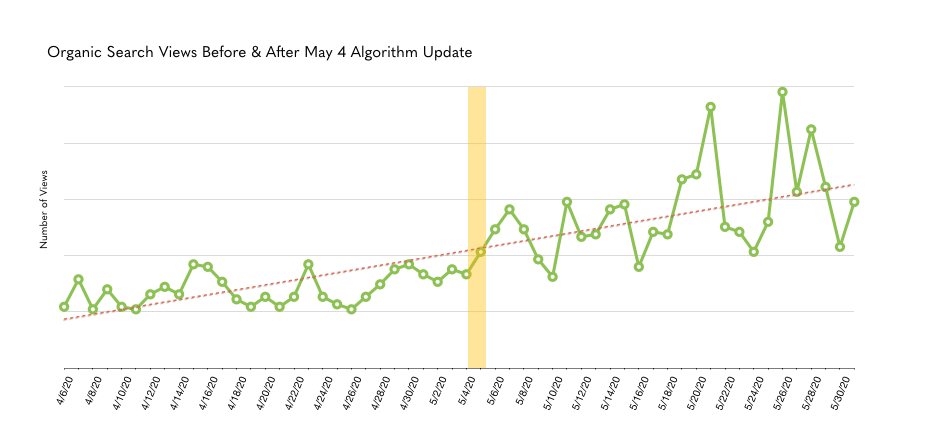
In an extensive review of over 117 websites, a significant trend emerged following the Google Helpful Content Update: content that is concise, focused, and offers direct answers to specific queries is being rewarded, even if it doesn’t conform to traditional SEO standards.
For instance, a 309-word article from 2014 about removing white spots from wood floors, despite being short, outdated, and lacking latest SEO update optimizations like sub-headlines or images, saw a notable increase in traffic.
This suggests the new AI classifier employed by Google is prioritizing “helpfulness” over conventional SEO factors.
Further observations revealed that content featuring real names, direct contact information like phone numbers and emails, and credible references such as quotes or endorsements from authoritative entities, like the National Wood Flooring Association, are likely perceived as more trustworthy by Google’s AI.
Shorter articles, with focused content and minimal fluff, appear to be performing better, potentially due to the AI classifier’s ability to process and understand the entirety of the content more efficiently.
These insights indicate a shift in Google’s ranking system towards valuing user-centric, straightforward, and genuinely informative content, reflecting the capabilities of the new AI classifier to discern content’s helpfulness.
New Landscape, New (Content) Rules
This update also highlights the importance of producing relevant content that aligns with user queries, addressing their specific needs and pain points. Google now favors comprehensive, in-depth content over superficial material, encouraging a more holistic approach to the subject matter.
Originality is key, with a focus on unique content offering fresh perspectives. Enhancing user experience through multimedia elements like videos and infographics, along with ensuring mobile optimization, is crucial.
Structured data implementation can improve search result visibility and core web vitals, while maintaining content freshness and securing quality backlinks are still essential.
Google’s attention to user signals such as click-through rates and time spent on pages underlines the importance of engaging content. Adapting to these changes is vital for website owners to provide valuable, informative, and engaging content, keeping in line with the evolving SEO landscape.

Wrapping Up: Mastering SEO in Google's Helpful Content's New Era
Bottom Line: The recent update focuses on improving search result quality by introducing a sophisticated classifier to identify helpful content and warns against unmonitored third-party content, which could negatively impact site rankings.
It opens up possibilities for high-quality AI-generated content and advises regular content reviews and expert evaluations to enhance credibility and ranking. Moreover, the update cautions against manipulative SEO practices like date manipulation.
Following this update, websites that relied heavily on traditional SEO strategies and saw a downturn likely missed the shift towards prioritizing valuable, user-centric content.
However, sites featuring genuine user-generated content seem to fare better, indicating a trend towards authentic, experience-based content for improved SEO performance.

